

Blood pressure is the force exerted by circulating blood against the walls of the arteries. It plays an important role in maintaining blood flow to vital organs such as the heart, brain, and kidneys. Blood pressure is measured using two numbers — systolic pressure and diastolic pressure. Maintaining a healthy blood pressure level is essential for overall cardiovascular health.
120/80 mmHg120/80\ \mathrm{mmHg}120/80 mmHg
A normal blood pressure reading is usually below 120/80 mmHg. High blood pressure, also known as hypertension, can increase the risk of heart disease, stroke, kidney failure, and other serious complications if left untreated.
Medically Reviewed By
Dr. A. S. Raghuram – 15 years of experience
MBBS, MD (Paediatrics), DM (Cardiology)
DM, MD, MBBS (IN)
VS Hospitals, Chennai.
Last reviewed: May 12, 2026.
What Is Blood Pressure?
Blood pressure refers to the pressure created when the heart pumps blood through the arteries. Every heartbeat pushes blood throughout the body, creating pressure inside the blood vessels.
The two numbers in a blood pressure reading represent:
- Systolic Pressure: Pressure when the heart beats
- Diastolic Pressure: Pressure when the heart rests between beats
Blood pressure levels can change throughout the day depending on stress, physical activity, sleep, diet, and overall health.
Understanding Blood Pressure Readings
Blood Pressure Level
| Blood Pressure Category | Systolic Pressure (Top Number) | Condition | Diastolic Pressure (Bottom Number) |
|---|---|---|---|
| Low Blood Pressure | Below 90 | OR | Below 60 |
| Normal Blood Pressure | Below 120 | AND | Below 80 |
| Elevated Blood Pressure | 120 to 129 | AND | Below 80 |
| Stage 1 Hypertension | 130 to 139 | OR | 80 to 89 |
| Stage 2 Hypertension | 140 or Higher | OR | 90 or Higher |
| Hypertensive Crisis | 180 or Higher | AND/OR | 120 or Higher |
Persistent high blood pressure may damage blood vessels and increase the risk of cardiovascular diseases.
Blood Pressure Chart by Age
| Age Group | Normal Blood Pressure Range (mmHg) | Notes |
|---|---|---|
| Newborns (0–1 month) | 60–90 / 20–60 | Lower BP is normal in newborn babies |
| Infants (1–12 months) | 80–100 / 55–65 | BP gradually increases with growth |
| Toddlers (1–5 years) | 90–105 / 55–70 | Active children may have slight variations |
| Children (6–12 years) | 95–110 / 60–75 | Healthy diet and activity are important |
| Teenagers (13–18 years) | 105–120 / 65–80 | Hormonal changes can affect BP |
| Young Adults (19–39 years) | 110–120 / 70–80 | Ideal healthy adult BP range |
| Adults (40–59 years) | 115–130 / 75–85 | Regular monitoring is recommended |
| Seniors (60+ years) | 120–140 / 80–90 | Slightly higher BP may occur with aging |
Hypertension Stages Explained
| Hypertension Stage | BP Range | Risk Level | Recommended Action |
|---|---|---|---|
| Normal BP | Less than 120/80 mmHg | Low Risk | Maintain healthy lifestyle |
| Elevated BP | 120–129 / Below 80 mmHg | Moderate Risk | Reduce salt and exercise regularly |
| Stage 1 Hypertension | 130–139 / 80–89 mmHg | High Risk | Lifestyle changes + medical advice |
| Stage 2 Hypertension | 140+/90+ mmHg | Very High Risk | Immediate medical treatment needed |
| Hypertensive Crisis | Above 180/120 mmHg | Emergency | Seek emergency medical care immediately |
Dangerous Blood Pressure Emergency Warning Signs
| Warning Sign | Possible Risk |
|---|---|
| Severe chest pain | Heart attack |
| Sudden severe headache | Stroke |
| Difficulty breathing | Heart or lung emergency |
| Blurred vision | Hypertensive crisis |
| Confusion or dizziness | Brain complications |
| Numbness in face or arm | Stroke symptoms |
| Severe anxiety with high BP | BP emergency |
| Nosebleeds with very high BP | Possible hypertensive crisis |
How to Check Blood Pressure Correctly
| Step | Instructions |
|---|---|
| Step 1 | Sit calmly for 5 minutes before checking |
| Step 2 | Keep feet flat on the floor |
| Step 3 | Place cuff at heart level |
| Step 4 | Avoid caffeine or smoking before test |
| Step 5 | Take two readings for accuracy |
| Step 6 | Measure BP at the same time daily |
Symptoms of High Blood Pressure
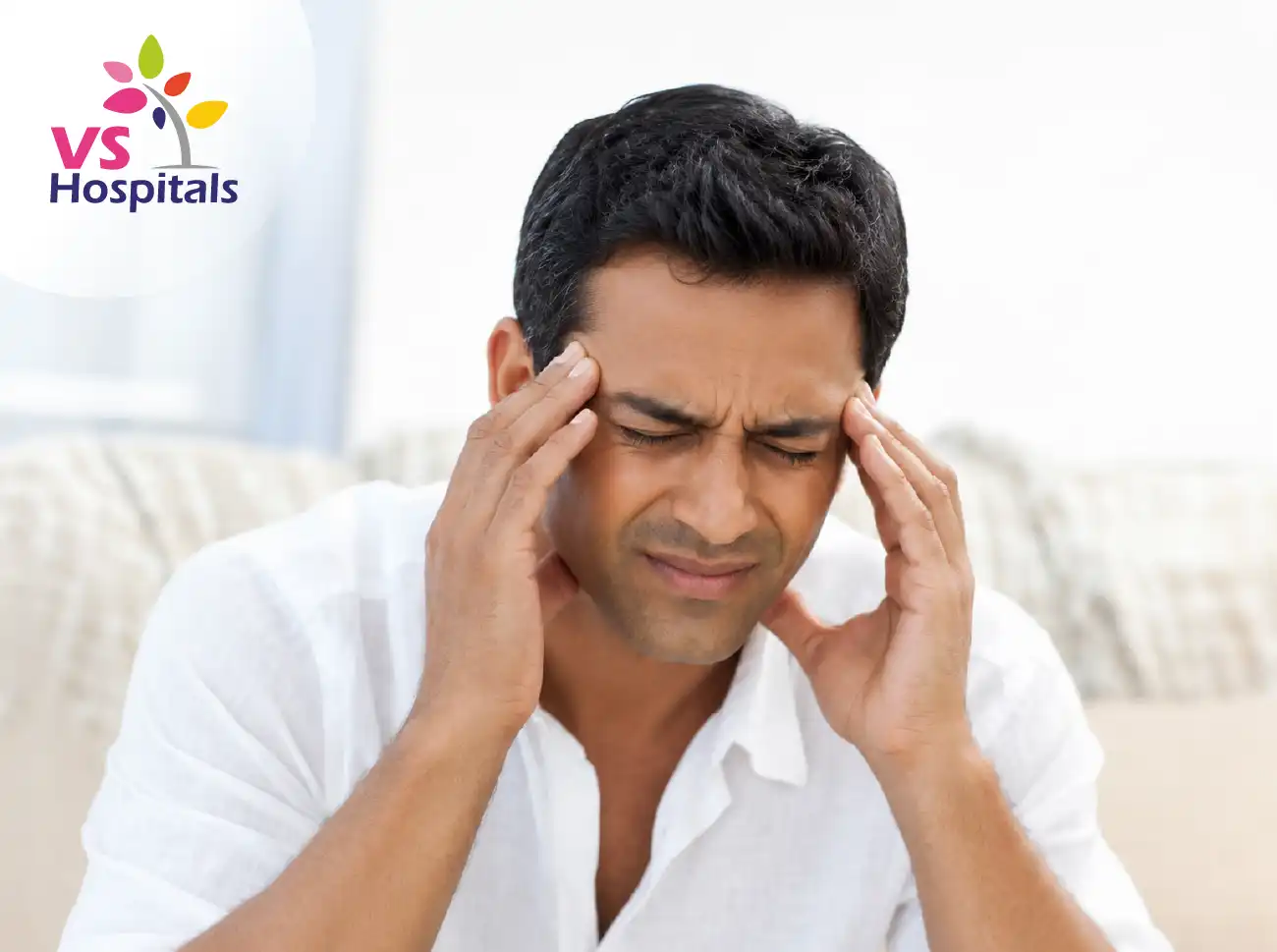
High blood pressure is often called a “silent killer” because many people may not experience noticeable symptoms in the early stages.
However, some individuals may experience:
- Frequent headaches
- Dizziness
- Chest pain
- Shortness of breath
- Fatigue
- Blurred vision
- Nosebleeds
- Irregular heartbeat
Severely elevated blood pressure requires immediate medical attention.
Causes of High Blood Pressure
Several lifestyle and medical factors may contribute to hypertension.
Lifestyle Causes
- Excess salt intake
- Obesity
- Physical inactivity
- Smoking
- Excessive alcohol consumption
- Chronic stress
- Poor sleep habits
Medical Causes
- Kidney disease
- Diabetes
- Thyroid disorders
- Sleep apnea
- Hormonal imbalance
- Certain medications
Risk Factors for Hypertension
Some people are more likely to develop high blood pressure due to specific risk factors.
Common risk factors include:
- Increasing age
- Family history of hypertension
- Obesity
- Diabetes
- High cholesterol
- Smoking
- Sedentary lifestyle
- Unhealthy diet
Pregnant women may also develop pregnancy-related hypertension that requires close monitoring.
How Is Blood Pressure Diagnosed?
Blood pressure is measured using a blood pressure monitor called a sphygmomanometer.
Doctors may recommend:
- Multiple blood pressure readings
- Home blood pressure monitoring
- Ambulatory blood pressure monitoring
- Routine heart health evaluations
Regular monitoring helps identify abnormal blood pressure levels early.
Complications of High Blood Pressure
Untreated hypertension can lead to serious health complications.
Possible complications include:
- Heart attack
- Stroke
- Heart failure
- Kidney failure
- Vision loss
- Peripheral artery disease
- Cognitive decline
Long-term high blood pressure may gradually damage the arteries and vital organs.
How to Lower Blood Pressure Naturally
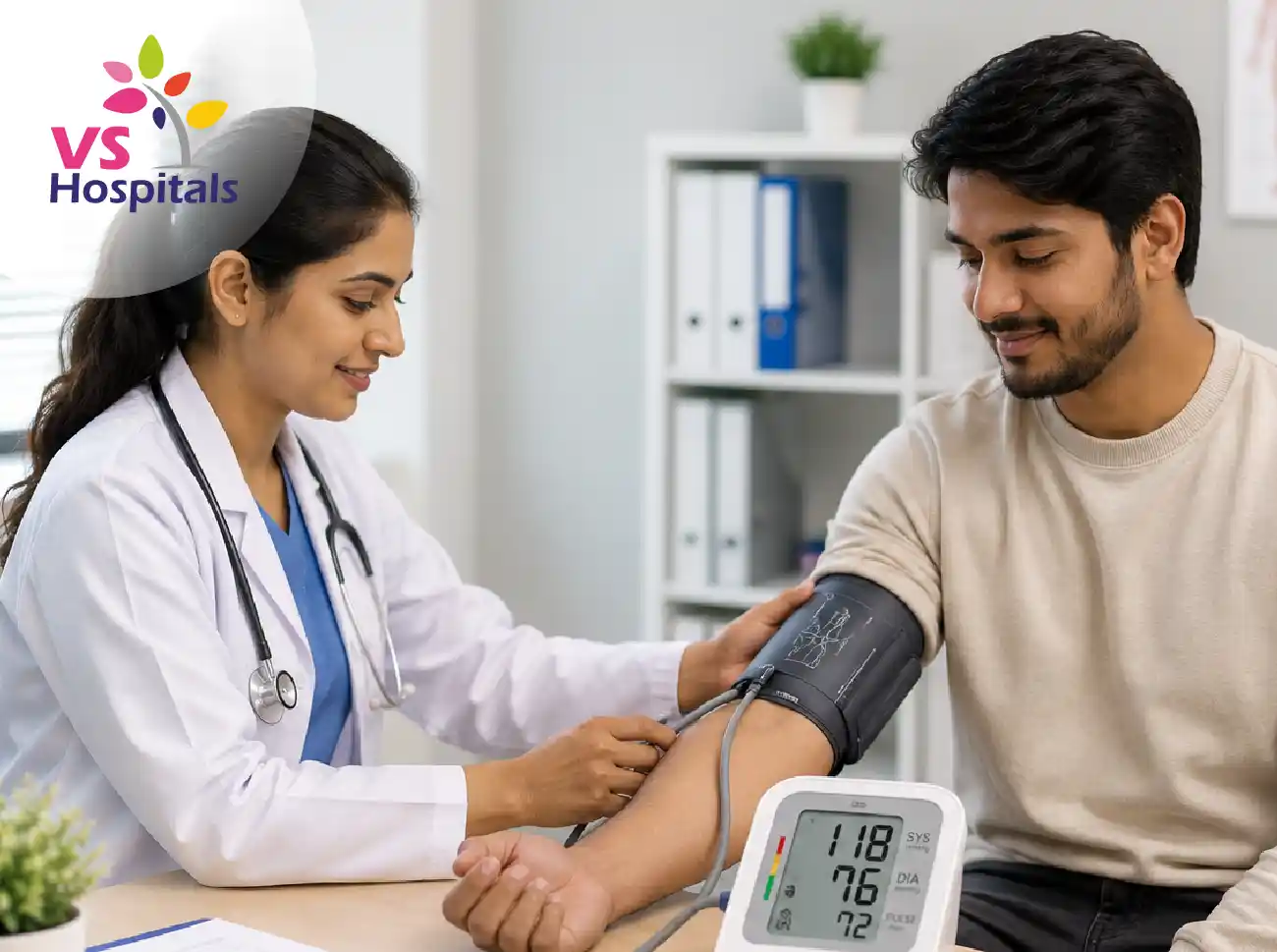
Lifestyle changes play a major role in controlling blood pressure.
Effective Ways to Reduce Blood Pressure
- Reduce salt intake
- Exercise regularly
- Maintain healthy body weight
- Stop smoking
- Limit alcohol consumption
- Manage stress
- Sleep adequately
- Stay physically active
Even small lifestyle changes may significantly improve blood pressure levels.
Best Foods for Blood Pressure Control
A heart-healthy diet can help regulate blood pressure naturally.
Recommended Foods
- Leafy green vegetables
- Bananas
- Berries
- Oats
- Nuts and seeds
- Fish rich in omega-3 fatty acids
- Low-fat dairy products
- Whole grains
Foods to Avoid
- Processed foods
- Excess salt
- Sugary beverages
- Deep-fried foods
- Excess caffeine
- Trans fats
The DASH (Dietary Approaches to Stop Hypertension) diet is commonly recommended for people with hypertension.
Best Exercises for High Blood Pressure
Regular physical activity improves heart health and blood circulation.
Recommended exercises include:
- Walking
- Jogging
- Cycling
- Swimming
- Yoga
- Stretching exercises
At least 30 minutes of moderate exercise most days of the week may help lower blood pressure.
Treatment for High Blood Pressure
Treatment depends on the severity of hypertension and underlying health conditions.
Lifestyle Management
Doctors often recommend the following:
- Dietary modifications
- Exercise plans
- Stress reduction
- Weight management
Medications
Some patients may require medications such as the following:
- ACE inhibitors
- Beta blockers
- Calcium channel blockers
- Diuretics
Medications should only be taken under medical supervision.
Low Blood Pressure (Hypotension)
Low blood pressure occurs when blood pressure falls below normal levels.
Common symptoms include:
- Dizziness
- Fainting
- Weakness
- Blurred vision
- Fatigue
Severe hypotension may reduce blood flow to vital organs.
Blood Pressure During Pregnancy
Some women may develop high blood pressure during pregnancy.
Types include:
- Gestational hypertension
- Preeclampsia
- Chronic hypertension
Regular prenatal monitoring is important to protect both mother and baby.
When Should You See a Doctor?
Seek immediate medical attention if you experience:
- Blood pressure above 180/120 mmHg
- Chest pain
- Difficulty breathing
- Sudden weakness
- Severe headache
- Vision changes
Routine blood pressure checks help detect problems early.
Tips to Maintain Healthy Blood Pressure
- Eat a balanced diet
- Exercise regularly
- Avoid smoking
- Reduce stress
- Limit salt intake
- Maintain healthy weight
- Sleep well
- Stay hydrated
Healthy lifestyle habits significantly reduce the risk of hypertension-related complications.
Conclusion
Blood pressure is a key indicator of cardiovascular health. Regular monitoring, healthy lifestyle habits, early diagnosis, and proper treatment can help prevent serious complications related to hypertension. Understanding blood pressure readings and maintaining heart-healthy habits are essential for long-term wellness.