


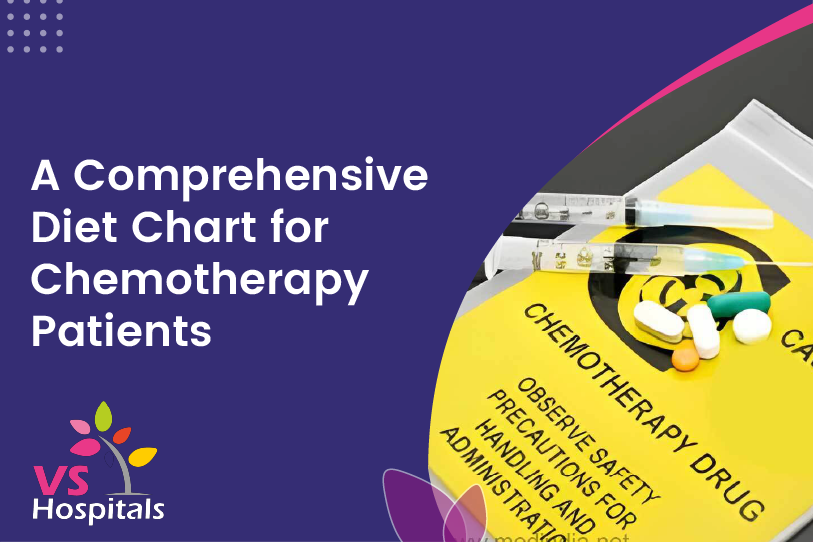
A cancer diagnosis can be overwhelming, and chemotherapy treatment can affect the body in many ways, including appetite changes, nausea, fatigue, mouth sores, taste changes, and weakened immunity. Maintaining proper nutrition during chemotherapy is extremely important because the right foods can help patients maintain strength, support recovery, improve immunity, and manage treatment-related side effects.
A well-balanced diet for chemotherapy patients should include adequate protein, healthy fats, vitamins, minerals, hydration, and easily digestible foods. Since every patient responds differently to treatment, nutritional needs may vary depending on the type of cancer, stage of treatment, side effects, and overall health condition.
At VS Hospitals, oncology specialists and diet experts often recommend smaller, nutrient-rich meals throughout the day instead of heavy meals to help patients maintain energy levels and reduce digestive discomfort during treatment.
Medically Reviewed By Oncology Specialists at VS Hospitals.
Why Nutrition is Important During Chemotherapy
Chemotherapy can affect healthy cells along with cancer cells, leading to side effects that may impact eating habits and digestion. A proper chemotherapy diet plan helps:
- Maintain body weight and muscle mass
- Improve strength and energy levels
- Support immunity
- Reduce inflammation
- Help the body recover faster
- Manage nausea and digestive discomfort
- Prevent dehydration
- Improve overall treatment tolerance
Common Side Effects During Chemotherapy
Many chemotherapy patients experience:
- Nausea and vomiting
- Loss of appetite
- Fatigue and weakness
- Mouth sores
- Taste changes
- Constipation
- Diarrhea
- Difficulty swallowing
- Low immunity
Choosing the right foods during chemotherapy can help reduce these symptoms significantly.
Best Foods During Chemotherapy
Protein-Rich Foods for Chemotherapy Patients
Protein is essential during cancer treatment because it helps repair tissues and maintain muscle strength.
Best protein foods include:
- Eggs
- Greek yogurt
- Paneer
- Tofu
- Fish
- Chicken
- Lentils
- Beans
- Cottage cheese
- Peanut butter
- Protein smoothies
Patients with low appetite may benefit from soft protein-rich foods like yogurt, dal, soups, and smoothies.
Immunity-Boosting Foods During Chemotherapy
Chemotherapy may weaken the immune system, making infection prevention important.
Foods that support immunity include:
- Citrus fruits
- Berries
- Papaya
- Pomegranate
- Spinach
- Carrots
- Broccoli
- Almonds
- Pumpkin seeds
- Turmeric
- Ginger
- Garlic
These foods contain antioxidants, vitamins, and minerals that support immune health.
Hydration Tips During Chemotherapy
Hydration is one of the most important aspects of a chemotherapy diet plan.
Patients should aim to drink fluids regularly throughout the day.
Best hydration options include:
- Water
- Coconut water
- Clear soups
- Buttermilk
- Lemon water
- Herbal tea
- Ginger tea
- Fresh fruit juices (without excess sugar)
If plain water feels unappealing, flavored water or electrolyte drinks may help.
Meal Timing Tips for Chemotherapy Patients
Eating large meals may worsen nausea and discomfort during chemotherapy.
Doctors and dietitians often recommend the following:
- Eating small meals every 2–3 hours
- Avoiding long gaps between meals
- Eating slowly
- Having light snacks available
- Consuming protein in every meal
- Avoiding heavy meals late at night
Comprehensive Diet Chart for Chemotherapy Patients
Breakfast
Protein-Packed Smoothie
Ingredients:
- Greek yogurt
- Banana
- Spinach
- Berries
- Honey
Benefits:
Provides protein for muscle maintenance and antioxidants for immune support.
Whole-Grain Oatmeal
Ingredients:
- Rolled oats
- Almond milk
- Chia seeds
- Apples or pears
Benefits:
High fiber content supports digestion while fruits provide vitamins and minerals.
Mid-Morning Snack
Low-Fat Cottage Cheese with Pineapple
Benefits:
Cottage cheese provides protein while pineapple supports digestion.
Herbal Tea or Ginger Tea
Benefits:
Helps reduce nausea and supports digestion.
Lunch
Grilled Chicken or Tofu Salad
Ingredients:
- Lean chicken or tofu
- Mixed greens
- Cherry tomatoes
- Cucumbers
- Olive oil dressing
Benefits:
Provides protein, fiber, vitamins, and healthy fats.
Quinoa or Brown Rice
Benefits:
Complex carbohydrates provide sustained energy during treatment.
Afternoon Snack
Carrot and Hummus
Benefits:
Easy to digest and provides protein and healthy fats.
Sliced Avocado on Whole-Grain Crackers
Benefits:
Healthy fats and fiber support overall nutrition.
Evening Snack
Greek Yogurt with Honey
Benefits:
Provides protein and satisfies sweet cravings in a healthier way.
Dinner
Baked Salmon or White Fish
Ingredients:
- Salmon or white fish
- Lemon
- Herbs
- Olive oil
Benefits:
Rich in omega-3 fatty acids that may help reduce inflammation.
Steamed Vegetables
Ingredients:
- Broccoli
- Carrots
- Cauliflower
Benefits:
Provides vitamins, minerals, and fiber.
Mashed Sweet Potatoes
Benefits:
Easy to digest and rich in nutrients.
Indian Diet Chart for Chemotherapy Patients
| Time | Recommended Food |
| Early Morning | Warm water with 4–5 soaked almonds |
| Breakfast | 2–3 Idlis with sambar or oats porridge |
| Mid-Morning Snack | Banana or papaya slices |
| Lunch | Steamed rice, dal, boiled vegetables, and curd |
| Evening Snack | Vegetable soup or buttermilk |
| Dinner | Soft chapati with lightly cooked vegetable curry |
| Bedtime | Warm turmeric milk or plain warm milk |
Symptom-Based Diet During Chemotherapy
Foods for Nausea During Chemotherapy
If patients experience nausea:
Recommended foods:
- Ginger tea
- Dry crackers
- Toast
- Rice
- Bananas
- Applesauce
- Plain curd
Avoid:
- Oily foods
- Strong-smelling foods
- Spicy meals
Foods for Fatigue and Weakness
Patients experiencing weakness should focus on:
- Protein shakes
- Nuts
- Eggs
- Fish
- Dal
- Peanut butter
- Smoothies
Frequent small meals may help maintain energy.
Foods for Mouth Sores During Chemotherapy
Recommended:
- Soft foods
- Yogurt
- Soups
- Mashed potatoes
- Smoothies
Avoid:
- Spicy foods
- Acidic foods
- Hard or crunchy foods
Foods for Constipation
Helpful foods:
- Oats
- Fruits
- Vegetables
- Whole grains
- Plenty of water
Foods for Diarrhea
Recommended:
- Rice
- Bananas
- Applesauce
- Toast
- Boiled potatoes
Avoid:
- Fried foods
- Excess dairy
- High-fat foods
Foods to Avoid During Chemotherapy
Some foods may increase infection risk or worsen digestive issues.
Patients should avoid:
- Raw or undercooked meat
- Raw eggs
- Unpasteurized milk
- Excess sugar
- Processed foods
- Deep-fried foods
- Alcohol
- Excess caffeine
- Very spicy foods
Food safety is extremely important during chemotherapy because immunity may be reduced.
Food Safety Tips During Chemotherapy
- Wash fruits and vegetables thoroughly
- Avoid stale food
- Refrigerate leftovers properly
- Cook meat completely
- Maintain kitchen hygiene
- Avoid outside food if immunity is low
Diet Chart After Chemotherapy
Recovery nutrition after chemotherapy is equally important.
A post-chemotherapy diet should focus on:
- Hydration
- Balanced meals
- Lean protein
- Fruits and vegetables
- Whole grains
- Healthy fats
Patients recovering from chemotherapy should gradually reintroduce fiber-rich foods to improve digestion and bowel health.
Stage-Based Nutrition Recommendations
During Active Chemotherapy
Focus on:
- Soft foods
- High-protein meals
- Hydration
- Easy digestion
Recovery Phase After Chemotherapy
Focus on:
- Muscle rebuilding
- Strength recovery
- Immune support
- Balanced nutrition
Doctor Advice for Chemotherapy Patients
Every cancer patient responds differently to chemotherapy. Some patients may tolerate regular meals, while others may require specialized nutritional support.
Patients should consult:
- Medical oncologists
- Oncology dietitians
- Clinical nutrition experts
for personalized diet recommendations based on:
- cancer type
- treatment stage
- weight changes
- side effects
- medical history
Conclusion
A healthy and balanced diet during chemotherapy can help patients manage side effects, maintain strength, support immunity, and improve overall recovery. Nutritional needs may vary from one patient to another, so personalized dietary guidance is important during cancer treatment.
Focusing on protein-rich foods, hydration, fruits, vegetables, and small frequent meals can make chemotherapy more manageable and support better treatment outcomes.
Patients undergoing cancer treatment should always consult qualified healthcare professionals and oncology diet experts before making major dietary changes.