


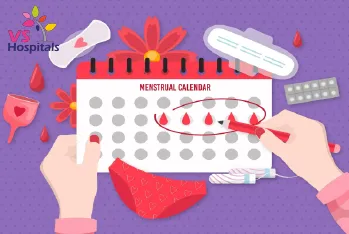
Irregular periods are common during the teenage years because the body is still adjusting hormonally after puberty. While occasional missed or delayed periods are normal, frequent irregularities may sometimes indicate underlying health conditions such as hormonal imbalance, stress, thyroid disorders, or PCOS.
This article explains the common causes, symptoms, warning signs, diagnosis, and treatment options for irregular periods in teenage girls.
Studies suggest that nearly 30–40% of teenage girls may experience irregular menstrual cycles during the first few years after puberty.
Medically reviewed by obstetricians, gynecologists, & laparoscopic specialists at VS Hospitals.
Dr. Indhra Nedumaran – 18+ years of experience
Consultant Obstetrician, Gynaecologist & Laparoscopic Surgeon
MBBS., F.E.M.S (UK), DNB (OBGYN), Dip. ALS (Germany)
Last reviewed: May 27, 2026.
What Are Irregular Periods?
A menstrual cycle is considered irregular when:
- Periods comes quickly or too late
- Cycles vary significantly every month
- Bleeding is unusually heavy or extremely light.
- Periods stop for several months
In teenagers, cycles may remain irregular for the first 2–3 years after menstruation begins.
The Most Common Causes of Irregular Periods in Teenaged Girls:
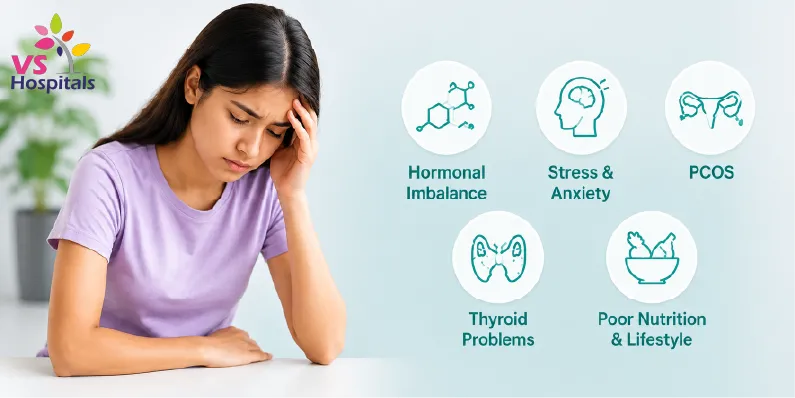
1. Hormonal Imbalance
Hormones regulate the menstrual cycle. During adolescence, hormone levels fluctuate frequently, leading to irregular periods.
2. Polycystic Ovary Syndrome (PCOS)
PCOS is one of the leading causes of irregular periods in teenage girls. Symptoms may include:
- Acne
- Weight gain
- Excess facial hair
- Missed periods
3. Stress and Anxiety
Emotional stress can affect hormone production and disrupt the menstrual cycle.
4. Poor Nutrition or Sudden Weight Changes
Being underweight, overweight, or having poor eating habits can impact menstrual regularity.
5. Excessive Exercise
Intense physical activity may affect ovulation and lead to missed periods.
6. Thyroid Disorders
Both hypothyroidism and hyperthyroidism can result in irregular menstruation.
7. Certain Medications
Some medications, including hormonal treatments, can alter the menstrual cycle.
Symptoms That Need Medical Attention
Consult a gynecologist if a teenage girl experiences:
- No periods for more than 3 months
- Very heavy bleeding
- Severe abdominal pain
- Periods occurring more than once every 21 days
- Excessive facial hair or severe acne
- Sudden weight gain
| Cause | Common Symptoms |
| Hormonal imbalance | Delayed periods |
| PCOS | Acne, weight gain |
| Thyroid disorder | Fatigue, irregular bleeding |
| Stress | Missed periods |
How Irregular Periods Are Diagnosed
Doctors may recommend:
- Physical examination
- Hormone blood tests
- Thyroid function tests
- Ultrasound scan
- PCOS evaluation
Treatment for Irregular Periods in Teens
Lifestyle Changes
- Healthy diet
- Regular exercise
- Stress management
- Proper sleep
Medical Treatment
Depending on the cause, treatment may include:
- Hormonal therapy
- PCOS management
- Thyroid treatment
- Nutritional counseling
Can Irregular Periods Become Normal Over Time?
Yes. Many teenagers develop regular menstrual cycles naturally within a few years after puberty. However, persistent irregularity should not be ignored.
When It Is NOT Normal
When Irregular Periods May Be Serious
- Bleeding that lasts longer than 7 days
- Severe pelvic or abdominal pain during periods
- Fainting, weakness, or dizziness
- No menstrual periods by the age of 15
- Sudden or rapid weight gain
- Very heavy bleeding requiring frequent pad changes
- Periods stopping for more than 3 months
- Excessive acne or unusual facial hair growth
When to See a Gynecologist
Early diagnosis helps prevent long-term complications related to hormonal disorders and reproductive health.
If your teenager experiences persistent irregular periods, consult the gynecology specialists at VS Hospitals for expert evaluation and personalized treatment.
Conclusion
Irregular periods during teenage years are often temporary, but they can sometimes signal underlying medical conditions. Understanding the symptoms and seeking timely medical advice can help maintain long-term reproductive health.