

Heart disease remains one of the leading causes of death worldwide, but many serious cardiac conditions do not develop overnight. Often, the body gives subtle warning signs long before a heart attack or other life-threatening event occurs. Unfortunately, these symptoms are often mistaken for indigestion, stress, fatigue, or ageing, causing many people to delay seeking medical attention.
Recognising the warning signs of heart disease and consulting a cardiologist at the right time can make a significant difference. It is stated that cardiovascular diseases account for nearly 18 million deaths globally each year, and many of these can be prevented through early detection, lifestyle modifications, and timely treatment. (src: WHO)
Why Is It Important to Recognize Heart Disease Early?
Heart disease refers to a group of conditions affecting the heart and blood vessels, including coronary artery disease, heart failure, heart valve disorders, and irregular heart rhythms (Arrhythmias). Many of these conditions progress gradually, and symptoms often appear only when the heart is already under significant strain.
Early recognition allows doctors to identify risk factors, begin treatment sooner, and reduce the likelihood of serious complications such as heart attack, stroke, or heart failure. It is also emphasized that recognizing symptoms early and managing cardiovascular risk factors can significantly improve long-term heart health.
What Are the 10 Warning Signs of Heart Disease?
Although symptoms vary depending on the underlying condition, there are several warning signs that should never be ignored.
1. Chest Pain or Discomfort
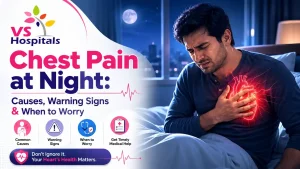
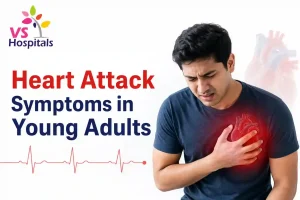
Chest pain is one of the most recognized symptoms of heart disease. It may feel like pressure, tightness, heaviness, squeezing, or burning in the center or left side of the chest. The discomfort may last for a few minutes or come and go.
While chest pain is not always caused by a heart problem, any new or unexplained chest discomfort should be evaluated promptly.
2. Shortness of Breath
Feeling breathless while walking short distances, climbing stairs, or even while resting may indicate that the heart is not pumping blood efficiently.
Unexplained shortness of breath can be an early symptom of coronary artery disease or heart failure.
3. Pain That Spreads Beyond the Chest
Heart-related pain does not always remain in the chest. It may radiate to the left arm, both arms, shoulders, neck, jaw, upper back, or even the upper abdomen.
This type of referred pain occurs because nerves supplying the heart also connect to other parts of the body.
4. Unusual Fatigue
Persistent or overwhelming fatigue that cannot be explained by lack of sleep or physical exertion may be an early warning sign, particularly in women.
If everyday activities suddenly become exhausting without a clear reason, it is advisable to seek medical evaluation.
5. Dizziness or Fainting
Frequent dizziness, light-headedness, or episodes of fainting may occur when the heart cannot maintain adequate blood flow to the brain.
These symptoms should never be ignored, especially if they occur alongside chest discomfort or palpitations. Src:(Mayo Clinic)
6. Irregular Heartbeat or Palpitations
It is normal for the heart to beat faster during exercise or emotional stress. However, persistent racing, fluttering, pounding, or skipped heartbeats may indicate an arrhythmia (an abnormal heart rhythm).
While many rhythm disturbances are harmless, some require prompt medical attention.
7. Swelling in the Legs, Ankles, or Feet
Swelling in the lower limbs may develop when the heart cannot pump blood effectively, allowing fluid to accumulate in the tissues.
This symptom is commonly associated with heart failure but may also occur due to kidney, liver, or vascular conditions.
8. Persistent Nausea or Indigestion
Some heart attacks present with symptoms that resemble indigestion rather than severe chest pain.
Persistent nausea, upper abdominal discomfort, or unexplained vomiting, particularly when accompanied by sweating or breathlessness, should be evaluated urgently.
9. Cold Sweats
Breaking into a cold sweat without physical exertion may indicate reduced blood flow to the heart.
When cold sweats occur together with chest discomfort, dizziness, or nausea, emergency medical attention is essential.
10. Reduced Exercise Tolerance
If activities that were once easy, such as climbing stairs or walking short distances, suddenly become difficult because of fatigue, chest discomfort, or breathlessness, it may indicate underlying heart disease.
Gradual reduction in physical endurance is often overlooked but should be discussed with a doctor.
Who Is More Likely to Develop Heart Disease?
Heart disease can affect anyone, but certain factors increase the risk.
Common risk factors include:
- High blood pressure
- Diabetes
- High cholesterol
- Smoking
- Obesity
- Physical inactivity
- Family history of heart disease
- Chronic stress
- Advancing age
When Should You See a Cardiologist?
Many people wait until symptoms become severe before seeking medical care. However, early evaluation can often prevent serious complications.
Consult a cardiologist if you experience persistent chest discomfort, unexplained breathlessness, recurrent dizziness, palpitations, swelling in the legs, or reduced ability to perform routine physical activities. Individuals with multiple cardiovascular risk factors should also undergo regular heart health assessments, even in the absence of symptoms.
If chest pain is severe, accompanied by sweating, breathlessness, or pain radiating to the arm or jaw, seek emergency medical care immediately.
How Is Heart Disease Diagnosed?
After evaluating your symptoms and medical history, your doctor may recommend one or more investigations depending on the suspected condition.
| Diagnostic Test | Purpose |
| Electrocardiogram (ECG) | Records the heart’s electrical activity |
| Echo cardiogram | Evaluates heart structure and pumping function |
| Stress Test | Assesses heart performance during exercise |
| Blood Tests | Detect heart muscle injury and assess risk factors |
| CT Coronary Angiography or Coronary Angiogram | Identifies blockages in coronary arteries |
Can Heart Disease Be Prevented?
Although some risk factors such as age and family history cannot be changed, many cases of heart disease are preventable.
Maintaining a healthy body weight, exercising regularly, eating a heart-healthy diet, avoiding tobacco, limiting alcohol, managing stress, controlling blood pressure and diabetes, and attending regular health check-ups all contribute to better cardiovascular health.
Many premature cardiovascular deaths can be prevented through healthier lifestyle choices and effective management of medical risk factors. Src: (WHO)
Paying Attention to Early Symptoms Can Protect Your Heart
Heart disease rarely develops without warning. The body often provides early signs that deserve attention, even when they appear mild or unrelated. Recognising the warning signs of heart disease and seeking medical advice promptly can lead to earlier diagnosis, timely treatment, and better long-term outcomes.
At VS Hospitals, our experienced cardiologists combine advanced diagnostic technology, evidence-based treatment, and personalized cardiac care to help patients detect heart disease early and manage it effectively. Whether you need preventive heart screening, evaluation of symptoms, or specialized cardiac treatment, timely intervention can make a life-saving difference.